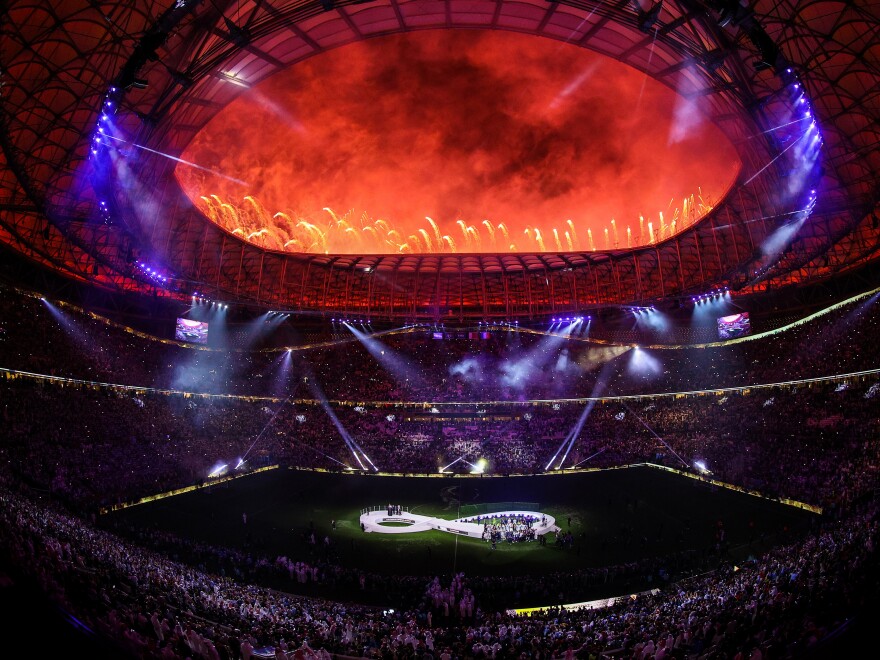
The 2026 FIFA World Cup will be the largest and most ambitious tournament in football history. Hosted jointly by the United States, Canada, and Mexico, the competition expands to 48 teams for the first time, reshaping everything from the group stage to the knockout rounds and overall schedule.
This new structure is designed to include more nations, create more matches, and deliver a truly global World Cup—while still protecting fairness and competitive balance.
Overview of the 2026 FIFA World Cup Format
The 2026 tournament will feature:
-
48 national teams
-
12 groups instead of 8
-
104 total matches (up from 64)
-
Matches spread across three host nations
-
A longer tournament window than previous World Cups
This expansion allows more countries—especially from Africa, Asia, and CONCACAF—to compete on football’s biggest stage.
How the 48-Team Group Stage Will Work
For the first time, the World Cup group stage will consist of 12 groups with 4 teams each.
Group Stage Structure
| Feature | Details |
|---|---|
| Number of teams | 48 |
| Number of groups | 12 |
| Teams per group | 4 |
| Matches per group | 6 |
| Total group matches | 72 |
Each team plays three group matches, facing every other team in its group once.
Who Advances From the Group Stage
Out of the 48 teams:
-
Top 2 teams from each group qualify automatically (24 teams)
-
The 8 best third-placed teams also advance
This creates a 32-team knockout stage, similar to previous tournaments—but with more qualification paths and higher stakes in group matches.
Knockout Stage Format Explained
After the group stage, the tournament enters a traditional knockout structure.
Knockout Rounds Breakdown
| Round | Teams | Matches |
|---|---|---|
| Round of 32 | 32 | 16 |
| Round of 16 | 16 | 8 |
| Quarterfinals | 8 | 4 |
| Semifinals | 4 | 2 |
| Third-place match | 2 | 1 |
| Final | 2 | 1 |
From the Round of 32 onward, every match is win or go home, with extra time and penalties if required.
Overall Tournament Schedule Structure
While exact match dates are released closer to the tournament, the general timeline is already defined.
Expected Scheduling Flow
| Phase | Duration |
|---|---|
| Opening ceremony & match | Week 1 |
| Group stage | Approx. 2 weeks |
| Round of 32 | 4–5 days |
| Round of 16 | About 1 week |
| Quarterfinals | 4 days |
| Semifinals | 3 days |
| Final | Last weekend |
Because of the larger format, the 2026 World Cup will run longer than previous editions, allowing rest days and manageable travel across North America.
How Hosting Across Three Countries Affects Scheduling
How Hosting Across Three Countries Affects Scheduling
Matches will be distributed carefully:
-
United States hosts the majority of games, including most knockouts
-
Canada and Mexico host group-stage matches and selected knockout games
-
Teams advance in a way that minimizes long-distance travel
This logistical planning ensures fairness while showcasing football across North America.
Why the New Format Benefits Fans
The 48-team format brings:
-
More matches
-
More countries represented
-
Greater chances for underdog teams
-
More meaningful group games
-
A longer, more immersive tournament experience
Fans also benefit from expanded broadcast schedules and more flexible match times across time zones.
Concerns and How FIFA Addressed Them
Initially, there were concerns about:
-
Match congestion
-
Competitive imbalance
-
Player fatigue
To address this:
-
Group size remains at 4 teams (not 3)
-
Each team still plays only 3 group games
-
Additional rest days are included
-
Larger squads are permitted
This structure balances expansion with player welfare and match intensity.
What This Means for Smaller Football Nations
The new format significantly increases opportunities for teams from:
-
Africa
-
Asia
-
CONCACAF
-
Oceania
More spots mean wider global representation and a greater chance for historic first-time appearances—a major goal of FIFA’s expansion plan.
Comparison With Previous World Cups
| Feature | Pre-2026 | 2026 |
|---|---|---|
| Teams | 32 | 48 |
| Matches | 64 | 104 |
| Groups | 8 | 12 |
| Hosts | 1 | 3 |
| Knockout start | Round of 16 | Round of 32 |
Conclusion
The 2026 FIFA World Cup is not just bigger—it’s structurally smarter and globally broader. The 48-team format preserves the intensity of past tournaments while opening the door for more nations, more fans, and more unforgettable moments.
With a carefully planned schedule, expanded knockout rounds, and matches across North America, 2026 is set to redefine what a World Cup can be—both on and off the pitch.