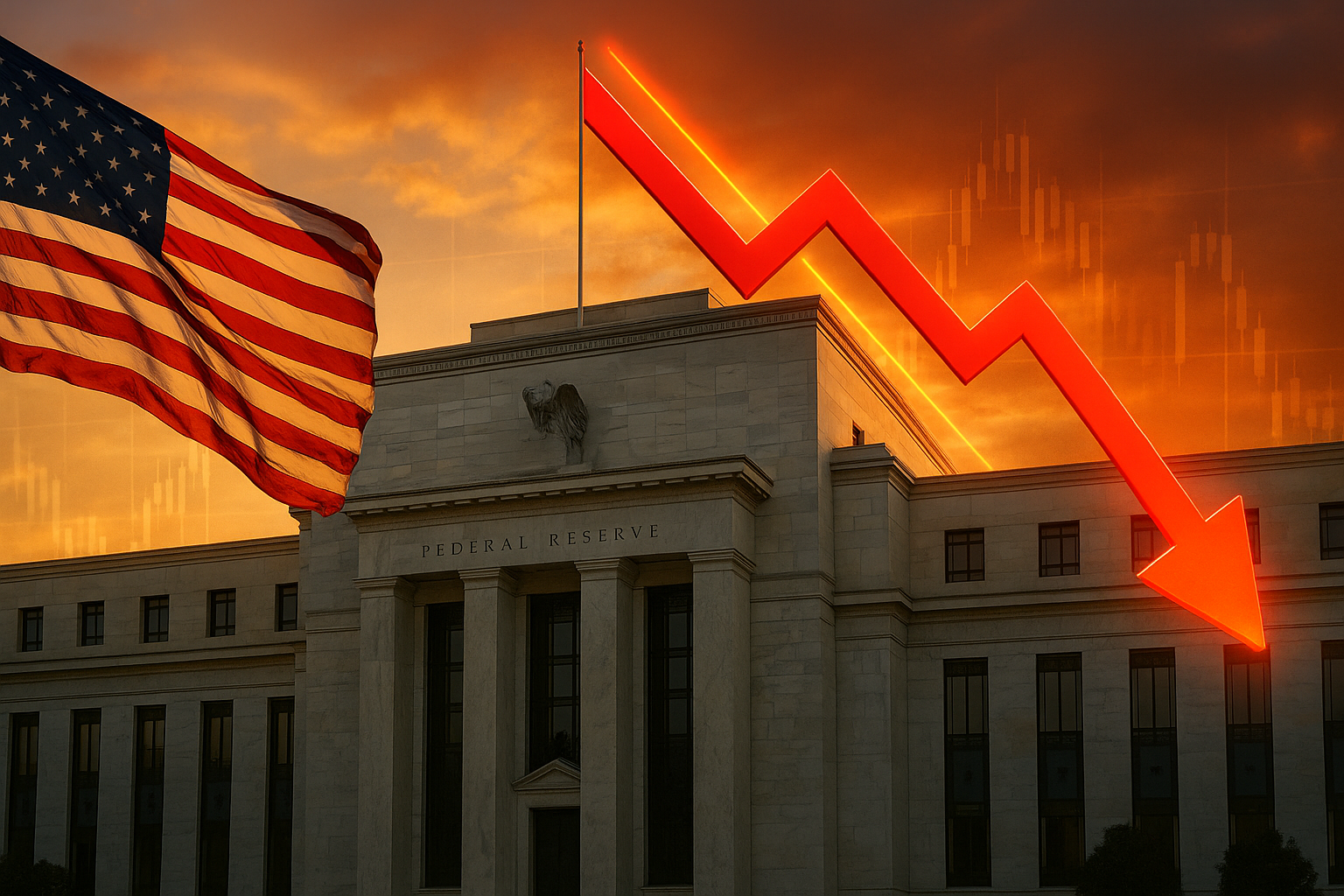
The U.S. Federal Reserve has cut interest rates again, marking another major shift in monetary policy as the central bank responds to slowing economic growth, easing inflation pressures, and signs of weakness in the labor market.
This decision announced after the Federal Open Market Committee (FOMC) meeting has immediate implications for consumers, businesses, investors, housing markets, and global financial systems.
Why Did the Federal Reserve Cut Interest Rates Again?
The Federal Reserve lowers interest rates primarily to stimulate economic activity. According to policymakers, the latest rate cut was driven by several key factors:
✅ Slowing Economic Growth
Recent economic data shows slower consumer spending and softer business investment, raising concerns about potential stagnation.
✅ Cooling Inflation
Inflation has eased closer to the Fed’s long-term target, giving the central bank more flexibility to shift toward growth support.
✅ Labor Market Softness
While unemployment remains relatively low, job creation has slowed, indicating caution among employers.
How Much Did the Fed Cut Rates?
The Federal Reserve decided on a quarter-percentage-point (0.25%) cut, continuing its current easing cycle. This marks another consecutive rate reduction, reinforcing the Fed’s intention to prevent economic slowdown rather than react after damage is done.
What Does This Mean for Consumers?
Lower Mortgage Rates
Homebuyers and refinancing homeowners may see relief as mortgage rates trend lower.
Cheaper Auto & Personal Loans
Lower interest rates translate into reduced borrowing costs for car loans, credit cards, and personal financing.
Credit Card Interest May Ease
Although slower to adjust, variable-rate credit cards can benefit from sustained rate cuts.
Impact on U.S. Stock Markets
Wall Street generally welcomed the Fed’s decision. Historically, lower interest rates are positive for stocks because:
-
Companies borrow at cheaper rates
-
Consumer spending increases
-
Corporate profits tend to improve
However, analysts caution that rally sustainability depends on economic stability, not just rate cuts.
What It Means for Businesses and Investors
-
Small businesses benefit from easier access to capital
-
Real estate markets may see renewed momentum
-
Bond yields could decline further
-
The U.S. dollar may weaken slightly, supporting exports
Investors are now watching closely for signals of future cuts or potential pauses.
Could the Fed Cut Rates Again in 2026?
Federal Reserve officials have left the door open for additional rate reductions if economic conditions require them. However, they also caution that moving too quickly could reignite inflation.
Markets currently expect:
-
Possible additional rate cuts early next year
-
Data-dependent decisions based on inflation and employment trends
Global Impact of the Fed’s Rate Cut
The Federal Reserve’s policy moves affect global markets:
-
Emerging markets may attract more capital
-
Global borrowing costs could decline
-
International currencies may adjust against the U.S. dollar
This makes the decision significant far beyond U.S. borders.
Final Thoughts
The latest Federal Reserve interest rate cut reflects a balancing act between supporting growth and preventing inflation. While consumers and businesses may see financial relief, uncertainty remains around how the broader economy will respond.
As economic indicators continue to evolve, the Fed’s next moves will be watched closely by investors, policymakers, and everyday Americans alike.