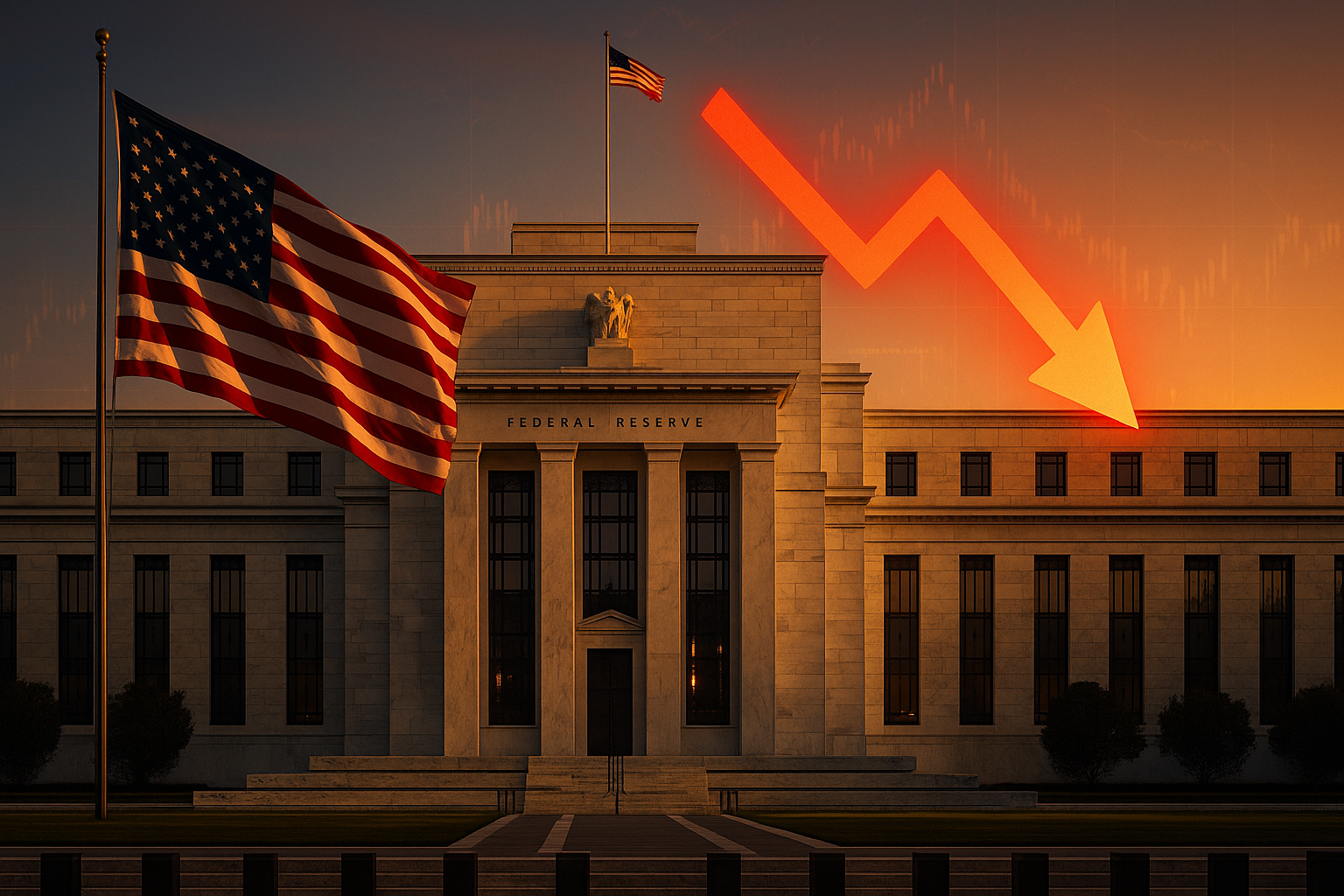
In a widely anticipated move, the Federal Reserve has cut interest rates again, marking its third consecutive rate reduction as policymakers attempt to support a slowing economy while steering inflation back toward the central bank’s 2% target. The decision has sent waves through U.S. financial markets, influencing stocks, bonds, mortgages, and currency values in real time.
The latest cut a quarter-percentage-point reduction lowers the federal funds rate to a range not seen since the early post-pandemic years. The Fed cited subdued economic growth, softening labor-market conditions, and easing inflation pressures as primary reasons for the adjustment.
⭐ Why the Federal Reserve Cut Rates Again
The Fed’s decision reflects a careful balancing act between controlling inflation and preventing a recession. Several key policy drivers shaped the rate cut:
1. Inflation Cooling Faster Than Expected
Although inflation is not yet fully at the 2% target, recent data shows:
-
Lower energy prices
-
Easing housing inflation
-
Slower wage growth
-
Declining prices in goods such as autos and durable products
This created enough room for the Fed to pursue rate cuts without reigniting price surges.
2. Weaker Labor Market Data
Job growth has moderated noticeably, with:
-
Fewer monthly payroll gains
-
Rising unemployment claims
-
Slower wage increases
This signaled that the labor market is cooling possibly too quickly prompting the Fed to act preemptively.
3. Slowing Economic Growth
GDP forecasts show a softer outlook for the next two quarters. Consumer spending, once the backbone of post-pandemic recovery, has cooled as households face:
-
High borrowing costs
-
Slowing wage gains
-
Increased cost sensitivity
The Fed intervened to stabilize economic momentum.
⭐ How Markets Reacted Immediately
The financial markets responded sharply to the rate cut reflecting a mix of optimism and caution.
1. Stocks Jumped Across Major Indexes
The Dow Jones, S&P 500, and Nasdaq all rallied following the announcement.
Why?
Lower rates reduce borrowing costs for corporations, boost future earnings potential, and often attract investors into equities over lower-yield bonds.
Tech stocks benefited the most due to their reliance on long-term financing and growth expectations.
2. Treasury Yields Declined
Bond markets priced in further easing:
-
The 10-year Treasury yield fell as investors anticipated slower economic growth.
-
Short-term yields dropped in anticipation of more rate cuts in early 2026.
Lower yields typically support:
-
Lower mortgage rates
-
Increased refinancing activity
-
Higher valuations for growth stocks
3. U.S. Dollar Weakened
The dollar dipped against major currencies including the euro, yen, and British pound.
A weaker dollar:
-
Boosts U.S. exports
-
Makes imports more expensive
-
Helps multinational companies’ foreign earnings
4. Mortgage & Loan Rates Adjusted Lower
The rate cut puts downward pressure on:
-
30-year fixed mortgage rates
-
Auto loans
-
Credit card APRs (variable-rate)
-
Small business loans
Real estate markets may see renewed activity if rates continue to fall.
⭐ Market Outlook: What Happens Next?
Analysts are divided, offering three main scenarios:
Scenario 1: More Rate Cuts Ahead
If inflation continues to cool and job data weakens, the Fed may cut rates two to three more times in early 2026.
Scenario 2: A Pause to Assess
If economic indicators stabilize, the Fed may pause cuts to ensure inflation doesn’t rebound.
Scenario 3: Reversal (Less Likely)
If unexpected inflation surges occur, the Fed could halt cuts—or even raise rates again.
⭐ Potential Winners & Losers From the Rate Cut
Winners
-
Homebuyers & homeowners (lower mortgage rates)
-
Tech & growth stocks
-
Small businesses (cheaper capital)
-
Export-heavy industries (due to weaker dollar)
Losers
-
Savings account holders (lower yields)
-
Banks (compressed profit margins)
-
Importers (weaker dollar increases costs)
⭐ What Investors Should Watch Next
Key indicators to monitor in the coming weeks include:
-
The next CPI inflation report
-
Nonfarm payrolls & unemployment data
-
Treasury yield trends
-
Consumer spending numbers
-
Corporate earnings guidance for Q1 2026
These will determine whether the Fed continues cutting rates or pauses.
⭐ Conclusion: A Pivotal Moment for the U.S. Economy
The Federal Reserve’s latest rate cut signals a major shift in economic strategy moving from aggressive inflation control to preventing a slowdown. While markets initially reacted with enthusiasm, the long-term outcome will depend on whether the economy stabilizes or continues to weaken.
For now, Americans can expect lower borrowing costs, shifting investment conditions, and a central bank prepared to act again if needed.