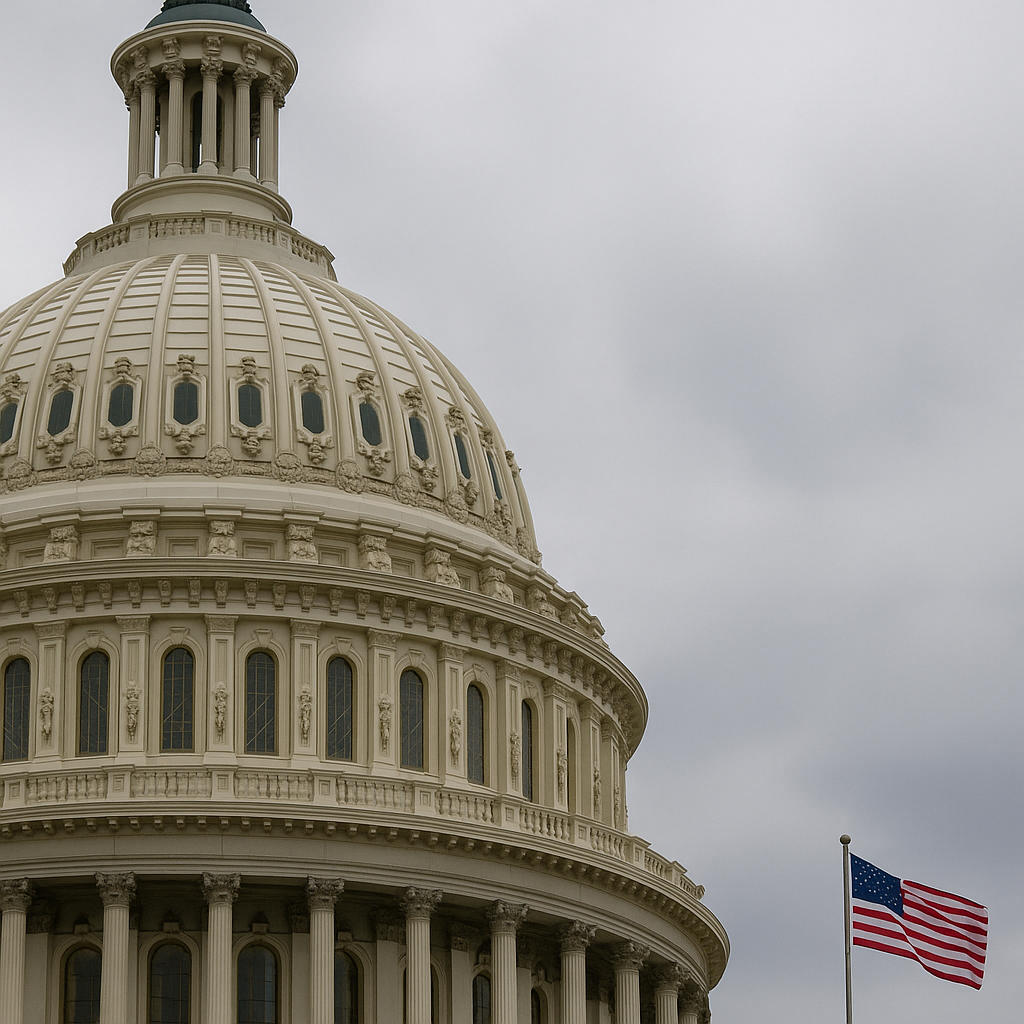
WASHINGTON — House Republicans have released a last-minute healthcare plan that has reignited debate over the future of the Affordable Care Act (ACA), federal subsidies, and the government’s broader role in healthcare policy. The proposal arrives amid a wave of federal controversies spanning healthcare affordability, immigration enforcement, and disputes between Washington and state governments.
The timing and substance of the plan have drawn sharp criticism from Democrats and healthcare advocates, who warn that millions of Americans could face higher premiums and reduced coverage if key provisions are not extended.
What’s in the House GOP Healthcare Plan?
The Republican proposal focuses on reshaping federal healthcare spending without fully extending popular ACA-era subsidies that have helped keep insurance premiums lower for many middle- and lower-income Americans.
Key Elements of the Plan
-
No permanent extension of enhanced ACA subsidies, which are set to expire
-
Greater emphasis on market-driven insurance solutions
-
Encouragement of short-term and alternative health plans
-
Increased state-level flexibility in managing Medicaid and insurance markets
Republican leaders argue the plan is designed to control federal spending, reduce long-term deficits, and prevent what they describe as “overreliance on federal subsidies.”
Why ACA Subsidies Are the Core Dispute
The enhanced subsidies—introduced during the pandemic—have:
-
Lowered monthly insurance premiums
-
Expanded coverage access
-
Reduced uninsured rates to historic lows
Healthcare analysts warn that allowing these subsidies to expire could result in:
-
Premium increases of 20–40% for some households
-
Millions potentially dropping coverage altogether
Democrats accuse House Republicans of risking healthcare access to advance budget cuts, while Republicans counter that continuing subsidies without reform is financially unsustainable.
Democratic and Public Reaction
Democrats’ Response
Democratic lawmakers criticized the proposal as a step backward, arguing that it:
-
Undermines healthcare affordability
-
Places financial strain on working families
-
Creates uncertainty in insurance markets
Several Democratic leaders vowed to block the plan in the Senate unless subsidy protections are restored.
Public & Industry Concerns
Healthcare providers, insurers, and patient advocacy groups have also expressed alarm, warning that sudden policy changes could destabilize coverage markets just as inflation pressures ease.
Federal Controversies Beyond Healthcare
The healthcare debate is unfolding alongside multiple federal controversies, further complicating negotiations in Washington.
1. Immigration Enforcement Disputes
Federal agencies are facing criticism over information-sharing practices with immigration authorities, raising legal and privacy concerns. Some states argue federal actions undermine local laws, while others support stricter enforcement.
2. State vs. Federal Authority Conflicts
Ongoing clashes between states and federal agencies over healthcare, AI regulation, immigration, and energy have highlighted deep divisions over states’ rights versus federal oversight.
3. Budget Deadlines and Political Pressure
With looming budget deadlines, lawmakers are under pressure to pass temporary funding measures, increasing the likelihood of:
-
Policy compromises
-
Short-term fixes instead of long-term solutions
-
Heightened partisan rhetoric
What Happens Next in Congress?
The House GOP plan faces significant obstacles:
-
Senate Democrats are unlikely to approve it without subsidy extensions
-
Moderate Republicans are divided over potential political fallout
-
The White House has signaled opposition to any plan that raises premiums
Most analysts expect:
-
Intense negotiations
-
Possible short-term extensions
-
A high likelihood of healthcare becoming a central issue in the next election cycle
Why This Matters to Americans
Healthcare remains one of the top economic concerns for U.S. households. Any changes to subsidies or coverage rules directly affect:
-
Monthly budgets
-
Access to doctors and prescriptions
-
Financial security during medical emergencies
The outcome of this debate will shape not only healthcare policy but also voter sentiment heading into the next election season.
Conclusion
The release of the House GOP healthcare plan has reopened one of Washington’s most divisive debates. As lawmakers clash over subsidies, spending, and federal authority, Americans are left watching closely aware that the decisions made in the coming weeks could have lasting consequences for healthcare affordability and access nationwide.