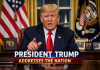
WASHINGTON — The United States has confirmed key tariff elements of a new trade deal with Switzerland, marking a significant step toward strengthening economic ties between the two countries and easing trade barriers in strategic industries. U.S. officials said the agreement aims to promote fair competition, improve market access, and support investment on both sides of the Atlantic.
The announcement provides long-awaited clarity for businesses after months of negotiations and signals Washington’s broader effort to refine trade relationships with key European partners.
What the Trade Deal Covers
According to U.S. officials, the confirmed tariff elements focus on select goods and industrial sectors, rather than a sweeping free-trade agreement. The deal is designed to address specific trade frictions while encouraging cooperation in high-value industries.
Key areas include:
-
Industrial and manufactured goods
-
Specialty machinery and precision equipment
-
Agricultural and food-related products
-
Technology-related components
Tariff adjustments are expected to reduce costs for exporters and improve supply-chain stability.
U.S. Government Position
The Office of the U.S. Trade Representative said the agreement reflects a balanced approach, protecting American workers while ensuring U.S. companies remain competitive in global markets.
Officials emphasized that:
-
The deal promotes reciprocal market access
-
Tariff changes are tied to investment and compliance commitments
-
Enforcement mechanisms remain in place to prevent unfair trade practices
The administration described Switzerland as a trusted economic partner with shared standards on labor protections, intellectual property, and innovation.
Why Switzerland Matters to the U.S.
Switzerland is one of America’s most important European trade partners, with strong ties in:
-
Pharmaceuticals and life sciences
-
Advanced manufacturing
-
Financial services
-
Research and development
U.S. officials said tariff clarity will help companies plan long-term investments and reduce uncertainty in cross-border trade.
Swiss Reaction and Economic Impact
Swiss officials welcomed the confirmation, calling it a positive step toward predictable and rules-based trade. Business groups in Switzerland said the deal could:
-
Improve export competitiveness
-
Lower costs for U.S. importers
-
Encourage joint ventures and research partnerships
Economists noted that even targeted tariff adjustments can have an outsized impact in high-value sectors where Switzerland specializes.
Broader Trade Strategy Context
The Switzerland agreement comes as the U.S.:
-
Reassesses tariffs imposed in recent years
-
Seeks trade stability amid global economic uncertainty
-
Balances domestic manufacturing priorities with international cooperation
Trade analysts view the move as part of a selective, sector-focused trade strategy, rather than a return to broad free-trade agreements.
What Comes Next
While tariff elements have now been confirmed, officials indicated that:
-
Technical discussions will continue
-
Monitoring and enforcement measures will be reviewed regularly
-
Additional cooperation on digital trade and sustainability may follow
Businesses on both sides are expected to begin adjusting supply chains and pricing strategies as the agreement is implemented.
Conclusion
The U.S. confirmation of tariff elements in its trade deal with Switzerland marks a meaningful step toward deeper economic cooperation. By easing select trade barriers while maintaining enforcement safeguards, the agreement aims to support growth, innovation, and stability in an uncertain global trade environment.
As implementation begins, the deal could serve as a model for future U.S. trade arrangements with other advanced economies.