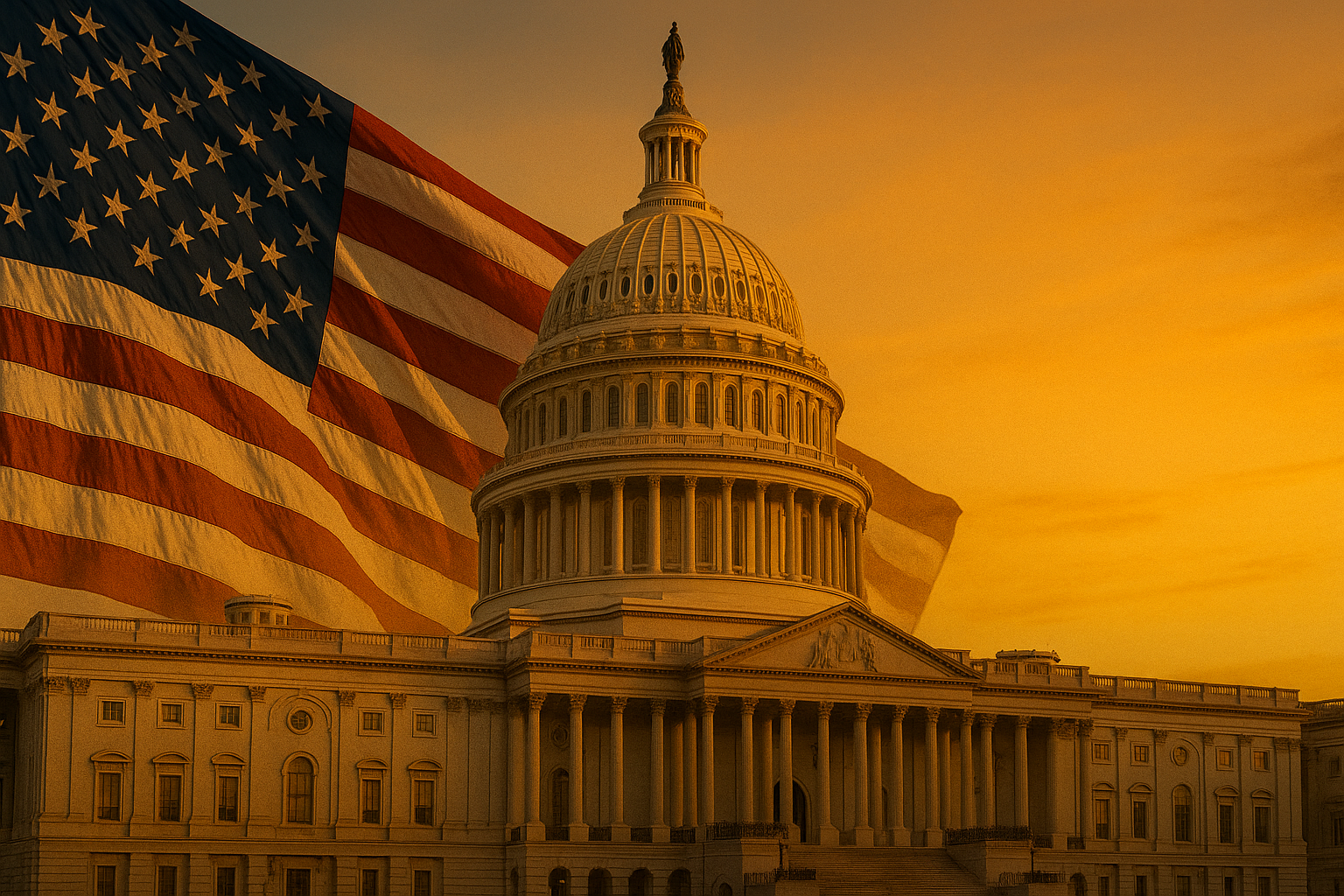
In a major development on Capitol Hill, the U.S. House of Representatives has approved a record-high $901 billion defense policy bill for fiscal year 2026. The legislation known as the National Defense Authorization Act (NDAA) received bipartisan support and now moves to the Senate, where further debate is expected.
This year’s NDAA is one of the largest in U.S. history, surpassing last year’s budget and even exceeding the amount requested by the Administration. The bill includes new military programs, expanded funding for foreign security assistance, new technology modernization efforts, and increased attention to global threats.
What Is the NDAA?
The National Defense Authorization Act is the annual legislation that sets:
-
U.S. military funding levels
-
Personnel policies
-
National security programs
-
Foreign defense assistance
-
Strategic modernization goals
While the NDAA authorizes funds, actual spending still requires a separate appropriations bill.
Key Highlights of the $901 Billion Defense Bill
1. Record Budget: $901 Billion
This year’s bill exceeds:
-
2025 defense budget
-
Biden Administration’s official request
-
Past U.S. military spending records
Lawmakers argue that rapid global changes from Russia to China to Middle East instability require enhanced readiness.
2. Major Military Aid for Ukraine
One of the most debated portions of the bill is expanded military assistance to Ukraine as the conflict with Russia continues.
Funding includes:
-
Air defense systems
-
Ammunition
-
Training & intelligence support
-
Long-range strike capabilities
Supporters call it essential for global stability; opponents argue the U.S. is over-committing resources overseas.
3. Pacific Deterrence Against China
A significant portion of the NDAA is directed toward countering China’s growing military presence, especially in the Indo-Pacific region.
This includes:
-
Funding the Pacific Deterrence Initiative
-
Expanding U.S. naval operations in the region
-
Boosting cyber and space defense against China
-
Strengthening alliances with Japan, South Korea, Australia, and the Philippines
4. Nuclear Arsenal Modernization
The bill accelerates upgrades to the U.S. nuclear triad:
-
New intercontinental ballistic missiles
-
Columbia-class nuclear submarines
-
B-21 Raider stealth bombers
-
Nuclear command & control modernization
The House insists these upgrades are necessary to deter Russia and China, who are expanding nuclear capabilities.
5. Artificial Intelligence, Cybersecurity & Space Programs
The NDAA features historic levels of investment in future-war technologies, including:
-
Advanced AI battlefield decision systems
-
Space-based missile detection platforms
-
Expansion of U.S. Space Force operations
-
Cyber defense systems to counter Russian and Chinese hacking networks
6. Military Pay Raises
Service members will receive one of the largest pay increases in recent history.
Included are:
-
Increased base pay
-
Housing allowance adjustments
-
Family support programs
-
Investments in mental-health and veteran support
7. Border Security & Homeland Defense
The bill includes:
-
New surveillance technology for border monitoring
-
Counter-drug operations funding
-
Additional support for National Guard units deployed domestically
-
Investments in counter-terrorism and intelligence gathering
⚠️ Political Reactions: Bipartisan but Heated
Republican lawmakers say:
-
The bill strengthens America’s position against global threats
-
Increased China and Russia aggression require higher spending
-
U.S. must invest heavily in new technology to stay ahead
Democratic lawmakers say:
-
They support investments in troops and global stability
-
They oppose certain policy amendments tied to social issues
-
They argue domestic programs should not suffer due to rising defense costs
What Happens Next?
The NDAA now moves to the U.S. Senate, where:
-
Debate is expected
-
Amendments may be added or removed
-
A unified final bill must pass both chambers
Once approved, the bill goes to the President for signing.
Why This Bill Matters
This NDAA shapes U.S. military and geopolitical strategy for the next decade. It reflects:
-
Rising global conflict risks
-
A shift toward AI and space warfare
-
Stronger alliances and deterrence strategies
-
Increased government focus on China and Russia
The record-high budget underscores Washington’s belief that the U.S. is entering a new era of strategic competition.