The Future of Work: Will Robots Replace Humans?
The rapid advance of robotics and artificial intelligence has brought one question into everyday conversation, boardrooms, and government policy debates alike: will robots replace humans at work? As machines become more capable able to see, learn, move, and make decisions the nature of work itself is evolving. The future of employment is not just about technology taking over tasks, but about how societies adapt to that transformation.
Understanding where robots will replace humans, where they will not, and how work will change offers a clearer picture of what lies ahead.
Why Automation Is Accelerating Now
Advances in computing power, machine learning, sensors, and robotics have reached a point where automation is faster to deploy and cheaper to maintain than ever before. Businesses adopt robots not just to cut costs, but to improve precision, operate around the clock, and reduce workplace accidents.
Global competition and labor shortages also accelerate automation. In many industries, robots fill roles where human labor is scarce, expensive, or physically demanding.
Jobs Most Likely to Be Automated
Robots are especially effective in roles that involve repetitive, predictable tasks. Manufacturing, logistics, and warehousing have already undergone major automation, with machines assembling products, sorting packages, and handling inventory.
Data-driven roles such as basic bookkeeping, data entry, and even some customer service functions are increasingly automated through software bots and AI systems. These jobs are not disappearing overnight, but the number of human workers required is steadily shrinking.
Why Many Human Jobs Are Still Safe
Despite rapid progress, robots struggle with tasks that require creativity, emotional intelligence, judgment, and human connection. Roles in healthcare, education, leadership, therapy, skilled trades, and creative industries remain difficult to automate fully.
Human adaptability, empathy, cultural understanding, and ethical reasoning remain strengths machines cannot replicate. Jobs that involve problem-solving in unpredictable environments are likely to stay human-led for decades.
Robots as Co-Workers, Not Replacements
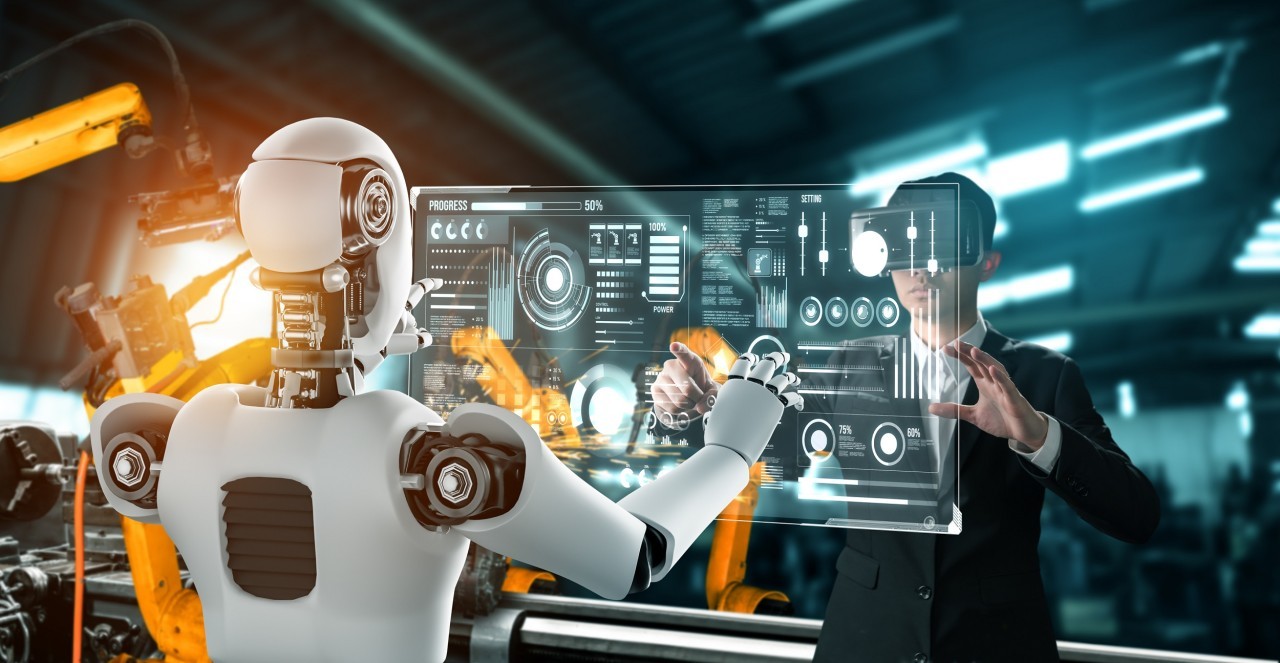
In many workplaces, robots are not replacing humans but working alongside them. This collaboration improves productivity and safety. For example, robots handle heavy lifting in factories while humans manage quality control and decision-making.
This hybrid model where humans oversee, guide, and complement machines is becoming the dominant pattern across industries.
New Jobs Created by Automation
Automation does not only eliminate jobs; it also creates new ones. Robotics engineers, AI trainers, system technicians, data analysts, and cybersecurity specialists are in increasing demand.
History shows that technological revolutions often shift work rather than destroy it entirely. While old roles fade, new industries emerge often in ways that are difficult to predict in advance.
The Skills Gap and Workforce Transition
One of the biggest risks of automation is not job loss itself, but unequal transition. Workers without access to education, retraining, or digital skills face the greatest disruption.
The future of work will depend heavily on how governments, companies, and educational institutions invest in reskilling programs. Lifelong learning is becoming essential as job requirements evolve faster than traditional career paths.
Economic Productivity and Living Standards
Robots can significantly improve productivity, helping economies grow faster and potentially raising living standards. Automated systems can produce goods more efficiently, reduce costs, and support innovation.
However, the benefits of automation are not automatically shared. Without thoughtful policies, productivity gains may concentrate wealth rather than distribute it broadly.
Ethical and Social Questions
As robots become more integrated into workplaces, ethical questions grow. Who is responsible when automated systems make mistakes? How should data be used? How much decision-making should be delegated to machines?
These questions highlight that the future of work is not just technological it is deeply social and political.
Will Robots Fully Replace Humans?
The most realistic answer is no, but they will profoundly reshape work. Robots will continue to replace certain tasks and roles while transforming others. Entire professions may evolve, but full human replacement across the economy is unlikely.
Work will become more flexible, more technology-driven, and more focused on human strengths that machines cannot replicate.
What the Future of Work Likely Looks Like
The future workplace will emphasize adaptability, problem-solving, and continuous learning. Workers will interact with intelligent systems daily, using them as tools rather than competitors.
Societies that manage this transition effectively investing in education, worker protections, and innovation will benefit most from the automation era.
Conclusion
Robots are not here to take over all human jobs, but they are redefining what work means. The future of work will be shaped by how humans and machines collaborate, how skills evolve, and how societies respond to change.
Rather than asking whether robots will replace humans, the better question is how humans will prepare for a world where intelligent machines are part of every workplace.